© 2026 Ruth Newman Architect. All rights reserved. | Registered Architect: NSW 5601, VIC 800592 | Privacy Policy.
The property at Fowler Road had been sitting dormant for close to two decades. Previous works had been carried out illegally. Approvals were unclear. The build had stalled and never properly restarted.
When our client purchased the property, they weren’t looking to live in it. They wanted to resolve the approval issues, restart the process correctly, and resell the property as DA approved. They needed clarity fast, but the risks were significant.


The biggest risk was restarting the approvals process the wrong way.
With incomplete records, historic illegal works, and outdated documentation, there was a real chance that:
Once that happened, the project could become even harder to recover.

The instinct on a project like this is to lodge something quickly and start moving. We didn’t.
The advice was to investigate first. Before any application, we needed to understand what had actually been approved, what had been built outside that approval, and what had happened to the original certifier.
That last question is where the project nearly stalled. One director of the original certifying firm had retired and was in poor health. The other had died. The inspection records didn’t exist in any form a private certifier could rely on. Without those records, no private certifier in the market could legally take the project over.
The call was to apply to Council to be appointed as the Principal Certifier. It’s a path most people don’t know exists, and it was the only one that worked here.
With the certifier issue resolved, we built a forensic record of the site. Four categories: what was approved and built, what was approved and not built, what was not approved but built, and what additional work was needed to complete the project. That document gave Council something defensible to assess and gave the eventual buyer a clear picture of where the project stood.
The investigation also surfaced a separate issue. A pool had been approved previously as a CDC, but that approval could no longer be relied on. Completing the half-excavated pool would have required a fresh DA. The client chose to exclude it from the application rather than slow the project down.
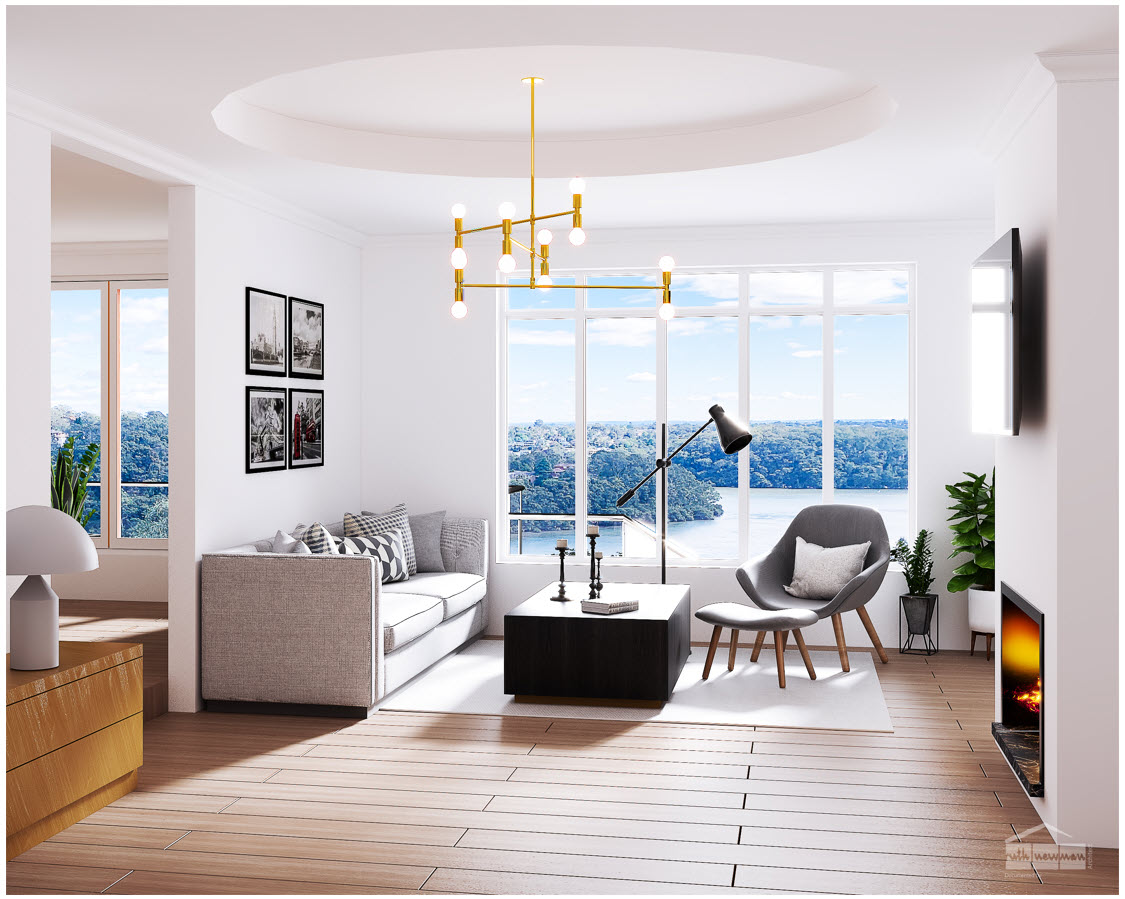
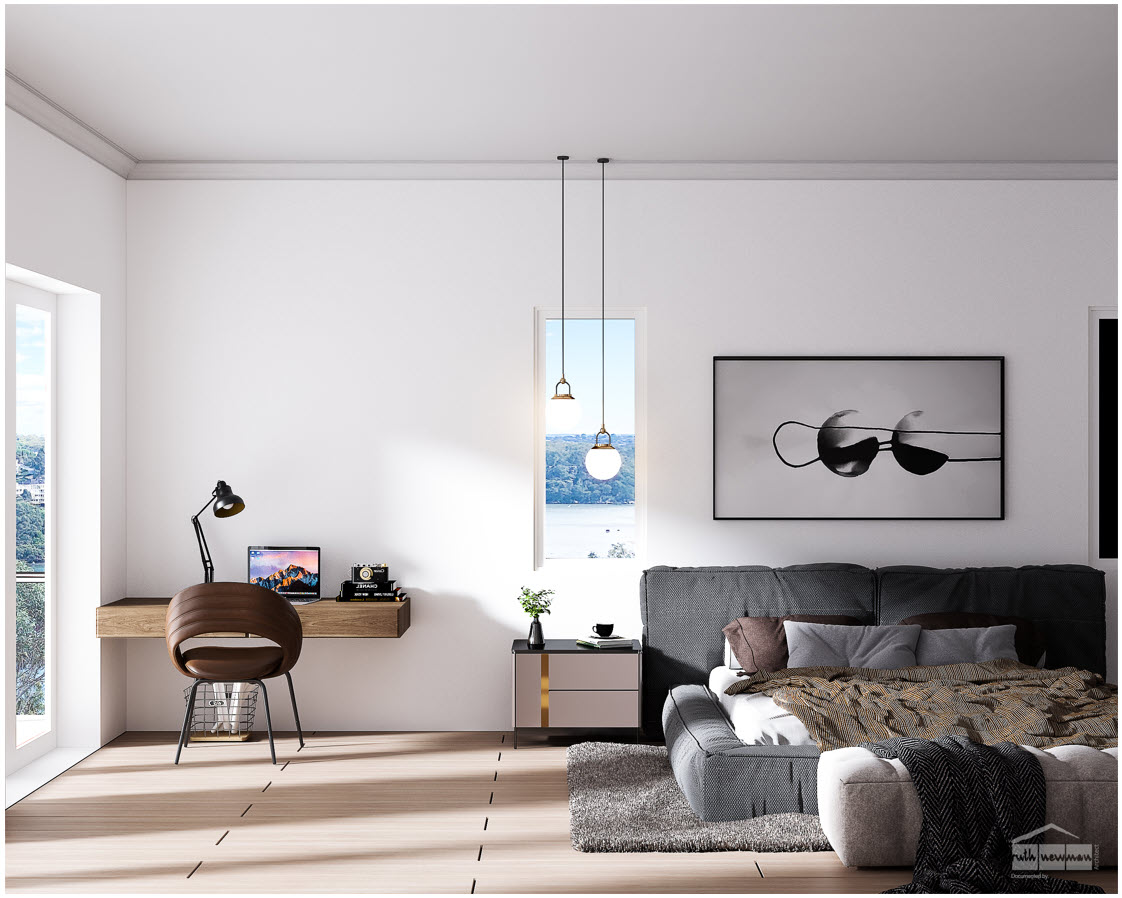
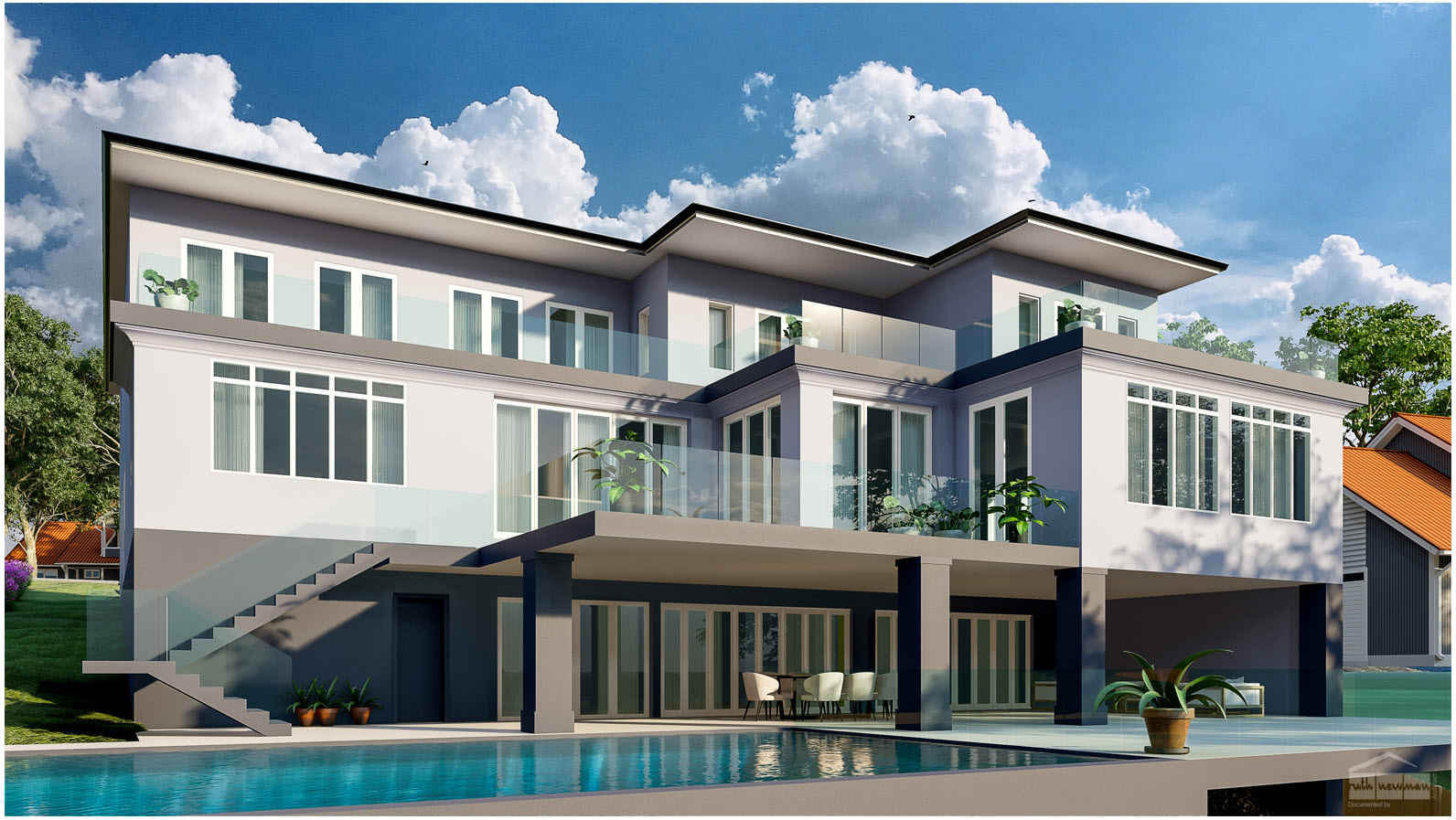
The 4.55 application was approved. We produced 3D imagery showing how the completed house could look, giving the next owner a clear vision of the finished project. The property sold at significant profit.
A site that had been stuck for two decades was back in the market with a clear approval pathway, a clean record, and a defined route to completion.