About
I’m the architect you bring in before you commit, not after.
Most of the money and most of the risk in a project is locked in by decisions made before anyone starts drawing: whether the site works, whether the budget is real, what council will actually allow. I get paid to test that first, so the decision gets made once and made right, and stays understood the whole way through.
Design is the vehicle. Judgement is the product.
How I work
Every project runs through three phases, in order. Decide, Design, Deliver.
Decide is the front-end judgement phase, before anything is committed to. Is the project viable? Does the brief stack up against the budget? Which approval pathway applies? Who has to agree before this can move? I answer those before a line gets drawn.
Design follows once Decide has confirmed what’s worth doing. It runs against a tested brief, a real budget and a known approvals path, which makes it faster and more accurate than design that starts cold.
Deliver is the technical documentation, the approvals and the construction phase. We carry the clarity set in Decide through to handover, so the project doesn’t drift.
How Decide, Design and Deliver work
The four ways to engage me

The monthly newsletter
Once a month I write about what we’ve been working on, changes to legislation and approvals, and the things moving in the industry that affect what a project costs and how long it takes. Practice news and a working architect’s read on what’s changed.
Thirty years of experience, twenty years of practice
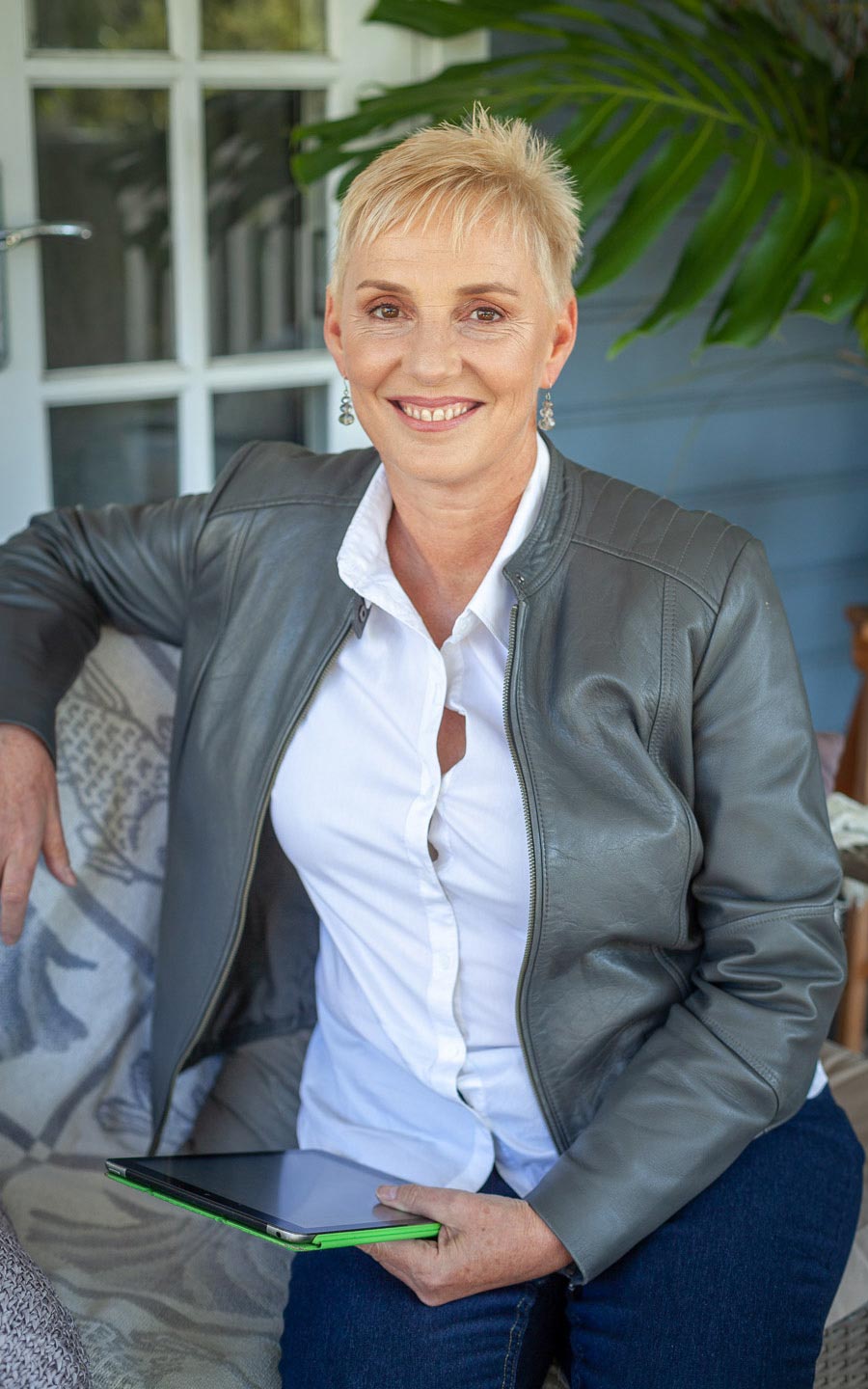
I’ve been an architect for over thirty years. Ruth Newman Architect has been running since 2006.
Before I started the practice I worked with firms across Sydney and Wollongong on residential, retail, government and commercial projects. That range is why I can read a school building program and a house extension with the same eye for what will get approved and what it will actually cost.
I decided I wanted to be an architect at ten, and the first lecture at university confirmed it. Thirty years on, the part of the job I value most is the moment a client stops guessing about their own project.

Who I work with
The practice runs across four streams: premium residential, commercial and government, schools and education, and national retail rollout.
The sectors vary. The client mindset doesn’t. In all four it’s someone carrying real accountability for a decision, who’d rather be told the truth early than reassured and surprised later.
Public and institutional clients have included the NSW Department of Premier and Cabinet, the NSW Department of Human Services and the NSW Aboriginal Housing Office. Named projects include the Parliamentary Offices in New South Wales, the Health Professional Councils Authority, and the Science and Arts Buildings at Sydney Montessori School.
The practice is remote. I work with clients across Sydney, and nationally on program and rollout work.

Registration
I’m registered in two states. New South Wales, with the NSW Architects Registration Board, registration number 5601, currently practising. And Victoria, with the Architects Registration Board of Victoria, registration number 800592. Both registers are public and you can check either one yourself.
In both states only a registered architect can use the title. Registration carries a Code of Professional Conduct and a mandatory commitment to continuing professional development. It’s the one credential in this industry you can verify without taking my word for it.
Check my registration on the NSW register
Check my registration on the Victorian register
Start with a Clarity call
If there’s a decision in front of you and you’d rather test it than assume it, start here. The Clarity Call is fifteen minutes and it’s free. Its job is to work out whether I’m the right architect for your project and which of the four Decide options fits it. I don’t give judgement on the call. That’s what you’re paying for afterwards.
Book it before you sign something: a lease, a contract of sale, a builder’s quote. Each of those is cheaper to test before you sign than to unpick after.